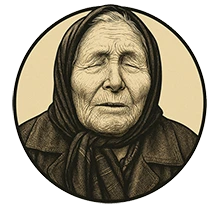
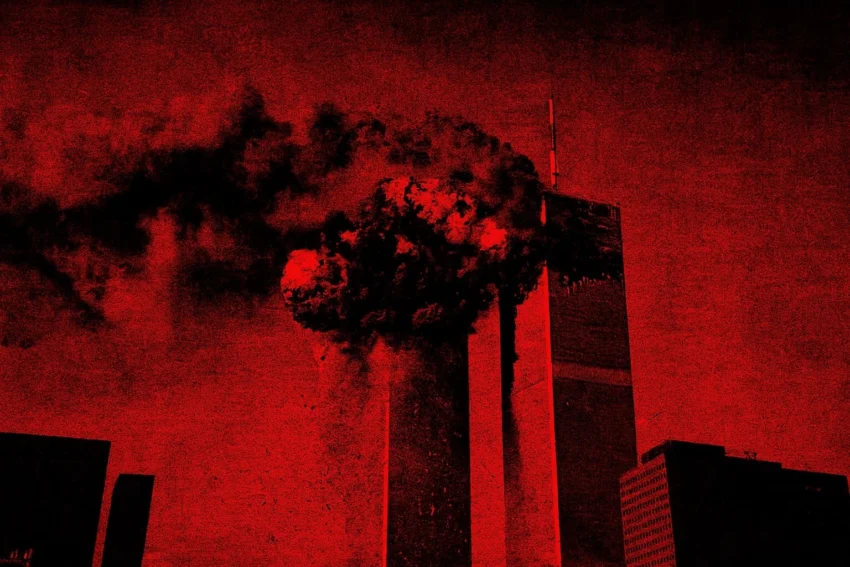
As the anniversary of September 11 draws near, one particular prophecy attributed to Baba Vanga often resurfaces in the media. Her words, spoken years before the tragedy, have been interpreted by many as a chilling foreshadowing of the attacks in New York.
According to reports, in 1989, she declared: “Horror, horror! The American brothers will fall after being attacked by steel birds. Wolves will howl in some bush and innocent blood will flow.”
Over the years, these sentences have been dissected countless times. The “American brothers,” many argue, symbolize the Twin Towers of the World Trade Center. The “steel birds” are seen as the hijacked planes that struck them. The mention of “bush” is often pointed out as a strange coincidence, as George W. Bush was president of the United States at the time. The “wolves,” meanwhile, are widely interpreted as the attackers themselves.
There are slightly different versions of what she supposedly said. Another translation renders it this way: “Fear, fear! The American brothers will fall, pecked by iron birds. Wolves will howl in the forest and innocent blood will be shed like a river.” Although the words vary, the imagery remains equally striking: falling brothers, iron birds, wolves, and rivers of blood. These poetic but unsettling metaphors continue to fascinate believers and skeptics alike.
For many years, it was primarily Russian media that amplified this prophecy. They treated it as clear evidence of her extraordinary foresight and circulated it heavily, particularly in the early 2000s. Over time, the story faded from their focus, but it was far from forgotten. In more recent years, British outlets began revisiting it, often around the anniversary of September 11. Israeli media has also echoed the account, ensuring that the prophecy lives on in international discussions.
What makes these words so enduring is not only their possible connection to real events, but also the way they tap into universal symbols of fear and destruction. Birds of iron, wolves in the shadows, brothers brought down—these images work on both a literal and metaphorical level. This ambiguity allows for multiple interpretations, which is why the prophecy continues to stir debate decades later.
Whether one regards the prediction as a genuine glimpse of the future, a case of mistranslation, or a product of hindsight, it cannot be denied that Baba Vanga’s words still resonate powerfully. They serve as a reminder of how language, once spoken, can take on new meaning when history provides the context.